

Introduction
The digital landscape continues evolving at an unprecedented pace, introducing concepts and tools that reshape how we approach everyday challenges. Among these emerging topics, valplekar has captured attention for its unique approach to solving common problems faced by individuals and businesses alike. Understanding what valplekar truly represents and how it can benefit your specific situation requires a thorough exploration of its features, applications, and practical implementation strategies.
For those encountering this concept for the first time, the journey from curiosity to confident usage involves learning foundational principles, exploring practical applications, and discovering proven techniques that experienced users have developed. This comprehensive guide walks you through everything you need to know about valplekar, from basic concepts to advanced strategies that deliver tangible results.
Understanding the Fundamentals of Valplekar
Valplekar represents a comprehensive approach to managing and optimizing various aspects of digital operations and personal productivity. At its core, the concept focuses on creating streamlined systems that reduce complexity while maximizing efficiency. This philosophy differs from traditional methods that often add layers of complexity in attempts to solve problems, instead emphasizing simplicity and intuitive design.
The foundation of valplekar rests on three main principles: accessibility, adaptability, and actionability. Accessibility ensures that users across different skill levels can engage with the system effectively without requiring extensive technical knowledge. Adaptability allows the framework to adjust based on individual needs and changing circumstances rather than forcing users into rigid templates. Actionability emphasizes practical implementation over theoretical concepts, ensuring that every element serves a clear purpose.
What makes valplekar particularly relevant in today’s environment is its response to information overload and system fragmentation. Many people struggle with disconnected tools, conflicting workflows, and overwhelming amounts of data. The valplekar approach addresses these challenges by creating unified frameworks that bring coherence to chaos. Users in the USA, UK, and Canada have increasingly adopted these principles as they seek more efficient ways to manage both professional responsibilities and personal projects.
Key Components That Define Valplekar Systems
When examining valplekar implementations, several core components consistently appear across different variations and applications. The organizational framework serves as the backbone, providing structure that helps users categorize, prioritize, and access information efficiently. This framework typically includes hierarchical systems that balance detail with overview perspectives, allowing users to zoom in on specifics or pull back for broader context as needed.
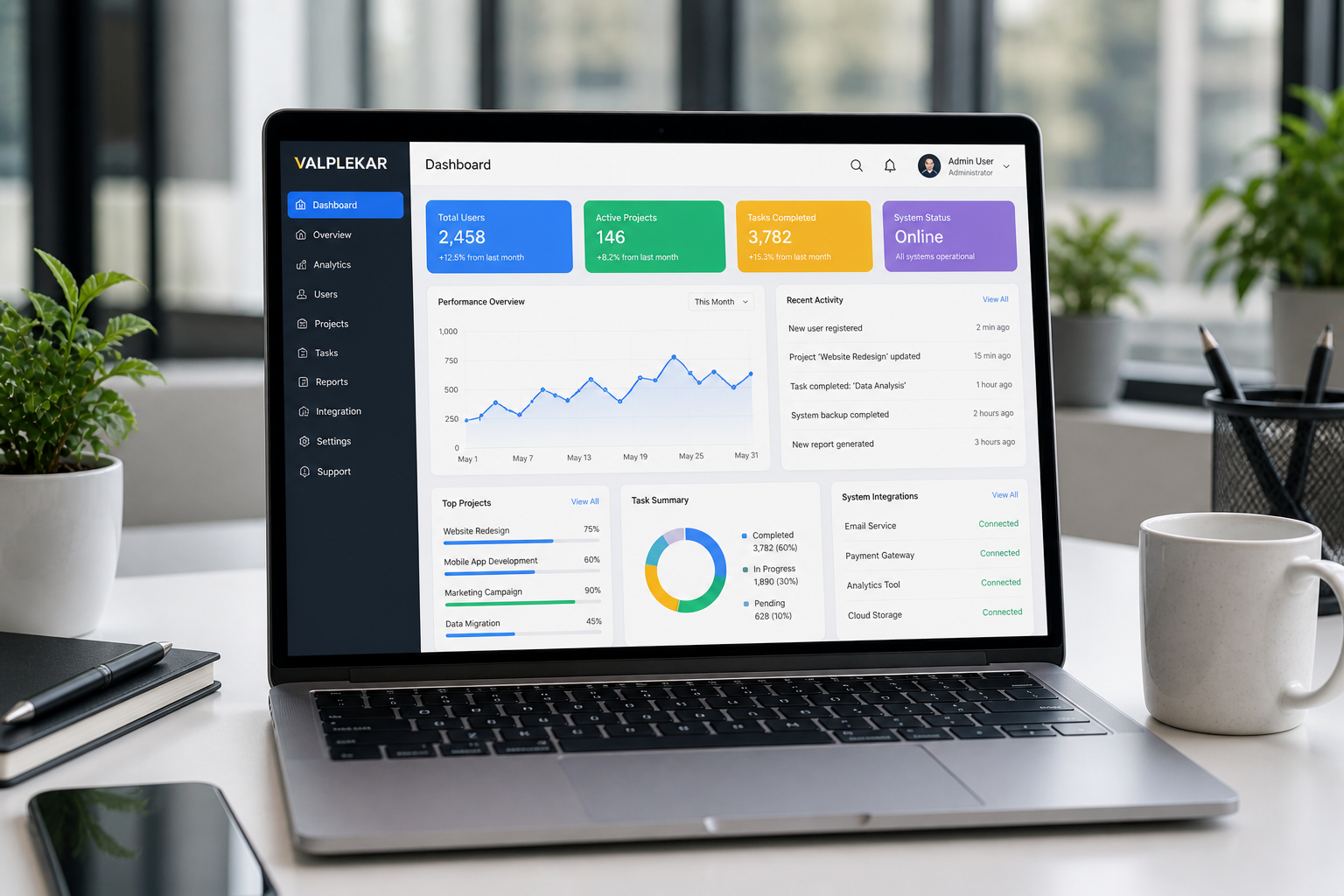
Integration capabilities represent another crucial component of valplekar systems. Rather than functioning as isolated tools, effective implementations connect with existing workflows and platforms that users already depend on. This integration reduces friction during adoption and ensures that valplekar enhances rather than disrupts established processes. The ability to pull data from multiple sources into unified dashboards creates comprehensive views that inform better decision-making.
Automation features within valplekar frameworks eliminate repetitive tasks that consume time without adding value. These automated processes range from simple task scheduling to complex workflow triggers that respond to specific conditions. By handling routine operations automatically, valplekar systems free users to focus on creative and strategic activities that genuinely require human judgment and expertise.
Primary Benefits of Implementing Valplekar

Adopting valplekar principles delivers numerous advantages that impact both immediate productivity and long-term success. Time savings emerge as one of the most immediately noticeable benefits. By streamlining processes and eliminating redundant steps, users typically recover several hours per week that were previously lost to inefficient workflows. These recovered hours compound over months and years, representing substantial gains in available productive time.
Reduced stress and cognitive load constitute another significant benefit that users consistently report. When systems are well-organized and information is easily accessible, the mental energy required for basic tasks decreases dramatically. This reduction in cognitive burden leaves more mental capacity available for complex problem-solving and creative thinking. Many users describe feeling less overwhelmed and more in control after implementing valplekar approaches.
Improved consistency and reliability in outputs represent long-term benefits that build professional reputation and personal confidence. When processes are standardized and automated where appropriate, the quality of work becomes more predictable and errors decrease. This consistency proves particularly valuable for collaborative work where multiple people depend on reliable inputs from others.
Different Applications of Valplekar Across Industries
The versatility of valplekar principles allows application across diverse fields and contexts. In professional services, practitioners use valplekar frameworks to manage client relationships, track project progress, and maintain documentation standards. Law firms, consulting agencies, and accounting practices have found particular value in the systematic approaches that valplekar promotes, especially when handling multiple simultaneous engagements.
Creative industries adapt valplekar concepts to balance artistic freedom with project management necessities. Designers, writers, and content creators use these frameworks to track ideas, manage revision cycles, and coordinate with clients while preserving the creative space needed for quality work. The flexibility of valplekar systems accommodates the non-linear nature of creative processes better than rigid project management tools.
Educational contexts increasingly incorporate valplekar methodologies as both teaching tools and learning frameworks. Educators use these systems to organize curriculum materials, track student progress, and coordinate with colleagues. Students apply valplekar principles to manage coursework, research projects, and extracurricular commitments, developing organizational skills that serve them beyond academic settings.
Getting Started With Valplekar Implementation
Beginning your valplekar journey requires careful planning and realistic expectations about the transition process. The first step involves conducting an honest assessment of your current systems, identifying pain points, redundancies, and gaps that create inefficiency. This diagnostic phase provides the foundation for designing a valplekar framework tailored to your specific needs rather than adopting generic templates that may not fit your situation.
Selecting appropriate tools and platforms represents the next critical decision. While valplekar principles can be implemented using various technologies, choosing tools that align with your technical comfort level and existing ecosystem increases adoption success. Some users prefer comprehensive platforms that handle multiple functions, while others combine specialized tools that each excel at specific tasks. Neither approach is inherently superior; the best choice depends on individual preferences and requirements.
Gradual implementation proves more successful than attempting wholesale system changes overnight. Starting with one area of your workflow allows you to refine your valplekar approach while maintaining stability in other areas. As you gain confidence and see positive results, you can progressively expand the framework to encompass additional aspects of your work and life. This incremental approach also provides opportunities to learn from early mistakes before they affect critical processes.
Advanced Valplekar Techniques for Maximum Efficiency
Once basic valplekar systems are functioning smoothly, several advanced techniques can further optimize performance and results. Customization and personalization transform generic frameworks into finely tuned systems that perfectly match individual working styles. This might involve creating custom categories, developing unique automation rules, or designing specialized views that surface exactly the information you need when you need it.
Integration depth can be enhanced beyond basic connections to create seamless data flows between different tools and platforms. Advanced users often develop sophisticated automation chains where actions in one system automatically trigger appropriate responses in others. These interconnected workflows eliminate manual data transfer and ensure consistency across platforms without requiring constant attention.
Analytics and reflection practices help valplekar users continuously improve their systems over time. By periodically reviewing metrics about how you spend time, which processes consume the most energy, and where bottlenecks occur, you can make data-informed adjustments to your framework. This commitment to ongoing optimization ensures that your valplekar system evolves alongside changing needs and circumstances.
Common Challenges When Adopting Valplekar
Transitioning to valplekar approaches often encounters predictable obstacles that can derail progress if not anticipated and addressed. Initial time investment represents a common concern, as setting up comprehensive systems requires upfront effort before benefits materialize. Understanding that this investment pays dividends over time helps maintain motivation during the setup phase. Many users find it helpful to calculate the time they currently waste on inefficient processes to contextualize the setup investment.
Resistance to change, whether from yourself or team members, creates friction during valplekar adoption. Humans naturally gravitate toward familiar patterns even when those patterns are inefficient. Overcoming this resistance requires patience, clear communication about benefits, and willingness to adjust implementation approaches based on feedback. Involving stakeholders in design decisions rather than imposing top-down mandates increases buy-in and adoption success.
Over-engineering represents a subtle trap that catches many enthusiastic new valplekar users. The excitement of building optimized systems can lead to creating unnecessarily complex frameworks that become maintenance burdens rather than productivity aids. Remembering that simplicity is a core valplekar principle helps avoid this pitfall. Regularly asking whether each element serves a clear purpose keeps systems lean and functional.
Valplekar Best Practices From Experienced Users
Those who have successfully implemented valplekar systems over extended periods have developed wisdom worth sharing. Maintaining flexibility within structure emerges as a key insight. While frameworks provide valuable organization, they should accommodate exceptions and unusual situations rather than forcing everything into predetermined categories. Building in flexibility prevents the system from becoming a constraint rather than an enabler.
Regular review and pruning keeps valplekar systems healthy and relevant. Information accumulates, priorities shift, and workflows evolve. Scheduled maintenance sessions to archive outdated materials, update categorization schemes, and remove obsolete automation prevents systems from becoming cluttered and unwieldy. Many experienced users schedule monthly or quarterly reviews dedicated specifically to system maintenance.
Documentation of your valplekar setup provides insurance against memory gaps and enables smoother collaboration. Recording why certain decisions were made, how specific automations work, and where various types of information live creates valuable reference material. This documentation proves particularly important during stressful periods when you need to rely on your system most but may not remember every detail of how it functions.
Measuring Success With Your Valplekar System
Determining whether your valplekar implementation delivers value requires establishing appropriate metrics and evaluation frameworks. Time tracking provides concrete data about how implementation affects productivity. Comparing time spent on specific tasks before and after adopting valplekar approaches reveals tangible efficiency gains. Many users are surprised by how much time they recover once they measure carefully.
Quality metrics complement time measurements by ensuring that efficiency gains don’t come at the expense of output quality. Tracking error rates, revision cycles, or client satisfaction alongside productivity metrics provides a balanced view of system performance. The goal is working smarter rather than just faster, and quality indicators help maintain this perspective.
Subjective wellbeing assessments capture benefits that quantitative metrics might miss. Periodically reflecting on stress levels, sense of control, and work satisfaction helps evaluate whether valplekar implementation improves your overall experience. Some of the most valuable benefits, like reduced anxiety and increased confidence, resist numerical measurement but significantly impact quality of life.
Future Developments in Valplekar Approaches
The valplekar landscape continues evolving as technology advances and user needs change. Artificial intelligence integration promises to enhance valplekar systems by automating more complex decision-making processes and providing intelligent suggestions based on patterns in your work. These AI-enhanced systems might predict needs before they arise, automatically organize incoming information, and identify optimization opportunities that human users might overlook.
Collaborative valplekar frameworks represent another frontier as teams seek unified approaches that work across multiple individuals while respecting personal preferences. Developing systems that maintain consistency in shared spaces while allowing customization in personal areas requires careful design but delivers powerful coordination benefits. Organizations in the USA, UK, and Canada are increasingly exploring team-wide valplekar implementations.
Mobile-first valplekar solutions acknowledge that work increasingly happens away from traditional desktop environments. As smartphones and tablets become primary computing devices for many users, valplekar systems optimized for mobile interaction ensure productivity doesn’t depend on accessing specific hardware. These mobile solutions emphasize quick capture, easy retrieval, and streamlined interfaces that work within smaller screen constraints.
Frequently Asked Questions
What exactly is valplekar and who can benefit from it?
Valplekar is a systematic approach to organizing information, managing workflows, and optimizing productivity through streamlined processes and integrated tools. Anyone feeling overwhelmed by complexity, struggling with scattered information, or seeking more efficient work methods can benefit. The principles apply equally well to individual users managing personal projects and organizations coordinating team efforts across departments.
How long does it take to see results after implementing valplekar?
Most users notice immediate small improvements in specific areas within the first week of implementation, such as faster information retrieval or reduced time spent on particular tasks. More substantial benefits typically emerge after three to four weeks once new habits solidify and the system becomes second nature. Long-term benefits continue accumulating over months as the compound effects of daily efficiency gains become apparent.
Can valplekar work alongside existing tools and systems?
Yes, valplekar principles are designed to enhance rather than replace existing tools. The framework focuses on how you organize and use tools rather than requiring specific platforms. Most successful implementations integrate valplekar approaches into current technology stacks, adding structure and connection without forcing wholesale platform changes that disrupt established workflows.
What are the costs associated with adopting valplekar methods?
The financial costs vary dramatically based on chosen tools and implementation scope. Many users successfully implement valplekar using free tools and platforms, incurring no direct costs. Others invest in premium software that offers advanced features, with expenses ranging from modest monthly subscriptions to more substantial enterprise solutions. The primary investment is time spent learning principles and configuring systems.
How do I maintain my valplekar system over time?
Maintenance involves regular reviews to archive outdated information, update categories and tags, refine automation rules, and adjust workflows based on changing needs. Scheduling monthly maintenance sessions lasting one to two hours typically suffices for individual systems. During these sessions, evaluate what’s working well, identify pain points, and make incremental improvements rather than attempting major overhauls.
Conclusion
The valplekar approach offers a comprehensive solution for individuals and organizations struggling with information overload, fragmented workflows, and productivity challenges. By emphasizing simplicity, integration, and actionable frameworks, valplekar principles help users regain control over their digital environments and work processes. The benefits extend beyond mere efficiency gains to include reduced stress, improved quality, and greater satisfaction with both professional and personal pursuits.
Successfully implementing valplekar requires initial investment in planning and setup, but this investment pays substantial dividends through recovered time, reduced errors, and enhanced capabilities. Whether you’re a professional managing complex projects, a creative balancing artistic freedom with deadlines, or someone simply seeking better organization in daily life, valplekar principles can be adapted to serve your specific needs. As you begin your valplekar journey, remember that the goal is progress rather than perfection, and that even small improvements compound into significant benefits over time.