

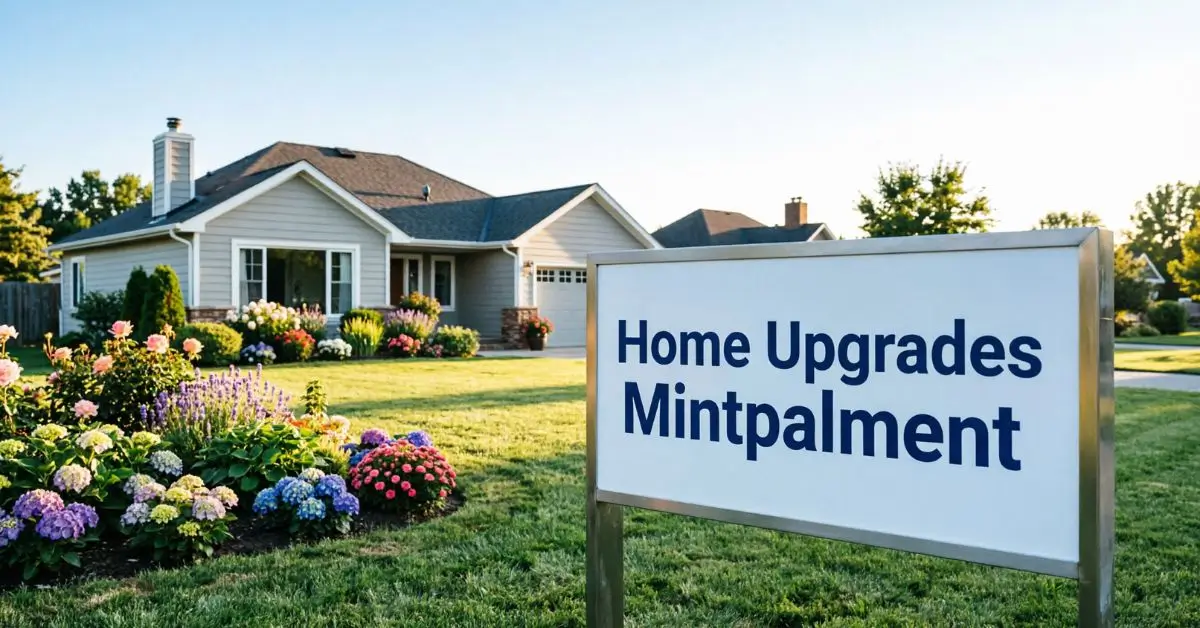
Home Upgrades Mintpalment
Living in a home that feels outdated, drafty, or crowded can make your daily routine exhausting. Many homeowners want to remodel, but they get stuck when facing high contractor quotes, endless material options, and complicated permits. When people begin remodeling without a clear roadmap, they often spend thousands of dollars on cosmetic details while ignoring hidden structural or energy issues.
Learning how to plan home improvements properly solves these common renovation headaches. Upgrading a house does not require an endless budget or months of messy construction. When you understand which projects deliver the highest return on investment and how to organize your workflow, you can turn any property into a comfortable, modern, and valuable living space.
In this practical guide, you will discover how to prioritize renovation projects, slash your monthly utility bills with smart systems, manage your budget, and choose between DIY tasks and professional contractors.
The phrase home upgrades mintpalment refers to a strategic system for improving residential properties through high-impact renovations, energy-saving enhancements, and functional interior updates. This methodology helps homeowners prioritize projects, manage remodeling budgets, improve daily comfort, and maximize long-term equity through durable materials, modern systems, and smart design choices across interior and exterior spaces.
Quick Summary
Successful home improvement begins with structural integrity and energy efficiency before moving to cosmetic updates. Focus your budget on high-ROI projects like minor kitchen refreshes, modern bathroom updates, and attic insulation. Always get three contractor bids for major trades, secure the required local building permits, and maintain a 15 percent contingency reserve in your budget for unexpected repairs.
The Four-Tier Renovation Priority Framework
Before buying new paint or shopping for appliances, every homeowner must establish clear priorities. A house functions as an interconnected system. If you install luxury hardwood flooring over a subfloor damaged by plumbing leaks, your investment will quickly be ruined.
Applying the foundational principles of home upgrades mintpalment requires following a logical four-tier priority hierarchy:
Home Modernization Hierarchy
├── Tier 1: Structural & Environmental Safety (Roof, foundation, plumbing)
├── Tier 2: Energy Envelope & Systems (HVAC, insulation, electrical)
├── Tier 3: High-Traffic Functional Living (Kitchen, bathrooms, storage)
└── Tier 4: Aesthetic Finishes & Curb Appeal (Paint, landscaping, lighting)
Tier 1: Structural and Environmental Safety
This is the non-negotiable foundation of your house. It includes fixing roof leaks, stabilizing foundation cracks, replacing corroded plumbing pipes, and eliminating moisture intrusion in basements or crawl spaces. Never spend money on cosmetic upgrades until your building envelope is completely watertight and structurally sound.
Tier 2: Energy Envelope and Mechanical Systems
Your mechanical systems keep your family comfortable and control your utility costs. This tier covers upgrading heating and cooling equipment, sealing air leaks around doors and windows, adding attic insulation, and ensuring your electrical panel can support modern appliances and electric vehicle chargers.
Tier 3: High-Traffic Functional Spaces
Once the house is safe and efficient, focus on the rooms you use most often. Kitchens and bathrooms deliver the greatest daily enjoyment and provide the highest return when selling your home. Focus on functional storage, durable countertops, and efficient plumbing fixtures.
Tier 4: Aesthetic Finishes and Curb Appeal
The final tier brings beauty and personal style to your space. This includes interior wall paint, modern light fixtures, upgraded trim work, refreshed landscaping, and stylish front entryways.
Top High-ROI Improvements That Build Home Equity
Not all remodeling projects produce the same financial return. Some luxury additions, such as custom swimming pools or high-end home theaters, recover only a small fraction of their cost when you sell the property.
Following practical home upgrades mintpalment guidance ensures your renovation dollars generate maximum property value:
1. Minor Kitchen Refreshes
A major kitchen remodel involving custom cabinets and layout changes can cost over $40,000 and recovers roughly 50 to 60 percent of its cost. In contrast, a minor kitchen update recovers 75 to 85 percent of its investment. You can achieve this by painting solid cabinet boxes, installing modern quartz countertops, swapping outdated cabinet hardware, and installing a clean subway tile backsplash.
2. Bathroom Modernization
Replacing an old fiberglass tub with modern ceramic tile, installing a water-saving dual-flush toilet, and replacing a worn laminate vanity with an engineered stone vanity delivers an average ROI of 65 to 70 percent. These updates make bathrooms feel cleaner and far more luxurious.
3. Garage Door Replacement
Replacing an old, dented garage door with a modern, insulated steel door is consistently ranked as one of the highest-returning exterior projects in the United States, often recouping over 90 percent of its cost at resale. It instantly upgrades your home’s curb appeal while improving garage temperature control.
4. Entry Door and Siding Updates
Your front door creates the first impression for guests and appraisers. Replacing an old wooden front door with an energy-efficient fiberglass or steel door improves security, eliminates drafts, and adds immediate visual appeal to your home exterior.
Slashing Energy Bills with Smart Efficiency Upgrades
Energy costs continue to rise across North America. Upgrading your home’s energy efficiency not only lowers your monthly electric and gas bills, but it also improves indoor air quality and makes rooms far more comfortable in winter and summer.
A key focus within home upgrades mintpalment involves sealing your thermal envelope before replacing expensive mechanical equipment:
Attic Insulation and Air Sealing
Most older homes have insufficient attic insulation. Adding blown-in cellulose or fiberglass insulation to achieve an R-value of R-49 or R-60 in cold climates can reduce heating and cooling costs by up to 15 percent. Before adding insulation, use expanding foam to seal air gaps around ceiling light fixtures, chimney flues, and plumbing vent stacks.
Smart Heat Pump Systems
Modern air-source heat pumps can heat and cool homes efficiently even in freezing winter temperatures. They use electricity to move heat rather than burning fossil fuels, making them up to three times more efficient than traditional gas furnaces or electric baseboards.
Programmable Smart Thermostats
Installing a smart thermostat allows your home to adjust temperatures automatically when you are at work or asleep. These devices learn your family schedule, can be controlled from your smartphone, and save an average of 10 to 12 percent on heating costs and 15 percent on cooling expenses annually.
Renovation Cost vs. Value Comparison
The table below provides a detailed comparison of popular residential projects under the home upgrades mintpalment strategy, showing realistic costs, expected returns, and skill levels for US homeowners:
| Renovation Project | Typical US Cost Range | Average Resale ROI | Project Difficulty Level | Primary Homeowner Benefit |
|---|---|---|---|---|
| Attic Insulation & Sealing | $1,500 to $3,500 | 80% to 100% | Moderate (DIY or Pro) | Lowers monthly utility bills year-round |
| Minor Kitchen Refresh | $4,000 to $12,000 | 75% to 85% | Moderate DIY / Trade Pro | Improves daily cooking workflow and aesthetics |
| Steel Front Door Replacement | $1,200 to $2,500 | 85% to 95% | Easy to Moderate | Enhances curb appeal and security |
| Primary Bathroom Remodel | $6,000 to $18,000 | 65% to 75% | Advanced Pro Required | Creates a relaxing, water-efficient retreat |
| Hardwood Floor Refinishing | $2,000 to $5,000 | 70% to 80% | Moderate DIY / Trade Pro | Restores warm natural beauty to living spaces |
| Full Window Replacement | $8,000 to $22,000 | 60% to 70% | Professional Required | Eliminates drafts and reduces exterior noise |
Real-World Case Study: Phased Renovation on a $10,000 Budget
You do not need to tackle every project at once. A phased renovation plan allows homeowners to spread costs over time while steadily improving their living environment.
Executing smart home upgrades mintpalment tactics helps families maximize limited improvement budgets.
Consider this realistic US example: A family purchased an older 1,500-square-foot home in Indianapolis, Indiana. The house was structurally sound but had drafty rooms, high winter heating bills, and dark, dated interior spaces. The homeowners established a strict $10,000 initial improvement budget.
Here is how they allocated their funds across three phases:
- Phase 1: Energy and Comfort ($2,800)
- Added blown-in attic insulation to reach R-49 ($1,400)
- Sealed basement rim joists and exterior door frames ($350)
- Installed a smart learning thermostat ($250)
- Upgraded electrical panel breakers for modern appliances ($800)
- Phase 2: Kitchen and Lighting Refresh ($4,200)
- Degreased, primed, and painted oak cabinets in warm off-white ($300 DIY)
- Installed durable white quartz countertops with undermount sink ($2,200)
- Installed modern brass cabinet hardware and pull-down faucet ($300)
- Installed dimmable recessed LED ceiling lights throughout main living area ($1,400)
- Phase 3: Interior Finishes and Curb Appeal ($3,000)
- Painted entire main living space with washable satin paint ($500 DIY)
- Installed luxury vinyl plank flooring across main hallways ($1,600 DIY)
- Painted front exterior door navy blue and installed modern black house numbers ($150 DIY)
- Trimmed overgrown bushes and added fresh dark garden mulch ($350 DIY)
- Maintained emergency contingency reserve ($400)
Total project expenditure equaled exactly $10,000. Within six months, the family cut their average monthly utility bills by $55, eliminated room drafts, and increased their home’s appraised market value by an estimated $24,000.
When to DIY vs. When to Hire Licensed Contractors
One of the easiest ways to blow a home renovation budget is attempting complex tasks without the proper skills or tools. Doing work yourself saves money on labor, but fixing mistakes made by inexperienced DIYers often costs twice as much as hiring a professional from the start.
Use this simple guideline to decide how to handle each project:
Ideal Projects for DIY Enthusiasts
- Interior Painting: Painting walls, baseboards, and interior doors requires patience and careful prep work, but very few expensive tools.
- Cabinet Hardware Swaps: Replacing knobs and pulls requires only a screwdriver and a template guide.
- Laying Luxury Vinyl Plank (LVP): Modern click-lock flooring can be installed over most flat subfloors without glue or specialized saws.
- Basic Landscaping: Planting shrubs, laying sod, and spreading garden mulch are labor-intensive tasks that save thousands in professional landscaping fees.
Projects That Require Licensed Professionals
- Main Electrical Panel Upgrades: Working inside electrical breaker panels carries severe shock and fire hazards. Always hire a licensed electrician.
- Structural Wall Removal: Removing load-bearing walls without proper temporary beam support can cause ceiling sagging or structural roof collapse.
- Gas Line Modifications: Installing new gas lines for water heaters or stoves requires pressure testing and specialized permits to prevent dangerous leaks.
- Major Plumbing Relocations: Moving drain stacks and sewer vents under concrete slabs requires professional plumbing expertise and city inspections.
Exterior Upgrades and Boosting Curb Appeal
The exterior of your home establishes its character and value before anyone steps through the front door. Improving curb appeal does not require major construction, but it does require attention to detail.
Applying outdoor home upgrades mintpalment strategies creates an inviting exterior:
- Power Washing Surfaces: Rent a pressure washer for a weekend to clean dirty concrete driveways, stone walkways, brick patios, and siding. Removing years of mildew and road dirt instantly brightens your exterior.
- Landscape Lighting: Install low-voltage solar or wired LED path lights along walkways and uplights against mature trees. Landscape lighting provides nighttime security and makes your property look elegant after dark.
- Modern House Numbers and Mailbox: Swap out dated, tarnished brass numbers for clean, modern black or brushed steel floating numbers. Replace a weathered mailbox with a sturdy, contemporary design.
- Fresh Mulch and Edging: Create clean, curved edges between your lawn and garden beds using a flat spade. Adding two inches of dark organic mulch gives garden beds a manicured, professional look.
Common Renovation Mistakes to Avoid
Avoiding typical remodeling pitfalls will protect your budget, your timeline, and your sanity.
Over-Improving for the Neighborhood
Installing $30,000 marble countertops in a modest starter home neighborhood is rarely a smart financial move. Research recent neighborhood home sales to ensure your renovation finishes match the expectations of future buyers in your area.
Skipping Building Permits
Many homeowners try to avoid building permits to save time and fees. However, unpermitted work can create legal liabilities, cause homeowner insurance claims to be denied after water or fire damage, and stall property sales during buyer home inspections.
Forgetting Storage Solutions
Never sacrifice practical storage for purely aesthetic features. Always plan for linen closets, pantry organizers, trash pull-outs, and entryway coat hooks so your updated spaces stay tidy in daily use.
Conclusion
Modernizing your home is a rewarding journey that enhances your family’s daily comfort while building long-term financial equity. Implementing structured home upgrades mintpalment principles gives you the roadmap needed to navigate remodeling decisions with confidence and clarity.
By addressing structural safety first, improving your home’s energy envelope, investing in high-ROI kitchen and bathroom refreshes, and tackling realistic DIY projects, you can transform your house into a modern sanctuary that stands the test of time.
Revisiting your home upgrades mintpalment priority list every year allows you to plan upcoming projects smoothly and keep your home operating at peak efficiency.
If you found this home renovation guide helpful, share it with friends and family, and explore our other home improvement resources to discover more practical design and remodeling inspiration.
Frequently Asked Questions
What are Home Upgrades MintPalment in simple terms?
Home Upgrades MintPalment focuses on improving a home’s safety, energy efficiency, comfort, and long-term value while managing renovation costs.
Which home improvements add the most value?
Minor kitchen updates, new garage or entry doors, bathroom improvements, and attic insulation can improve property appeal and functionality.
How much should I keep for unexpected renovation costs?
Set aside 15–20% of your renovation budget for hidden problems, such as damaged wiring, plumbing leaks, or water damage.
Do I need a permit for minor home upgrades?
Cosmetic work like painting or replacing flooring often does not require a permit. Structural, electrical, plumbing, HVAC, and similar work may require local approval.
How can I improve energy efficiency on a budget?
Seal gaps around doors and windows, install a programmable thermostat, add attic insulation, and replace old bulbs with energy-efficient LEDs.