

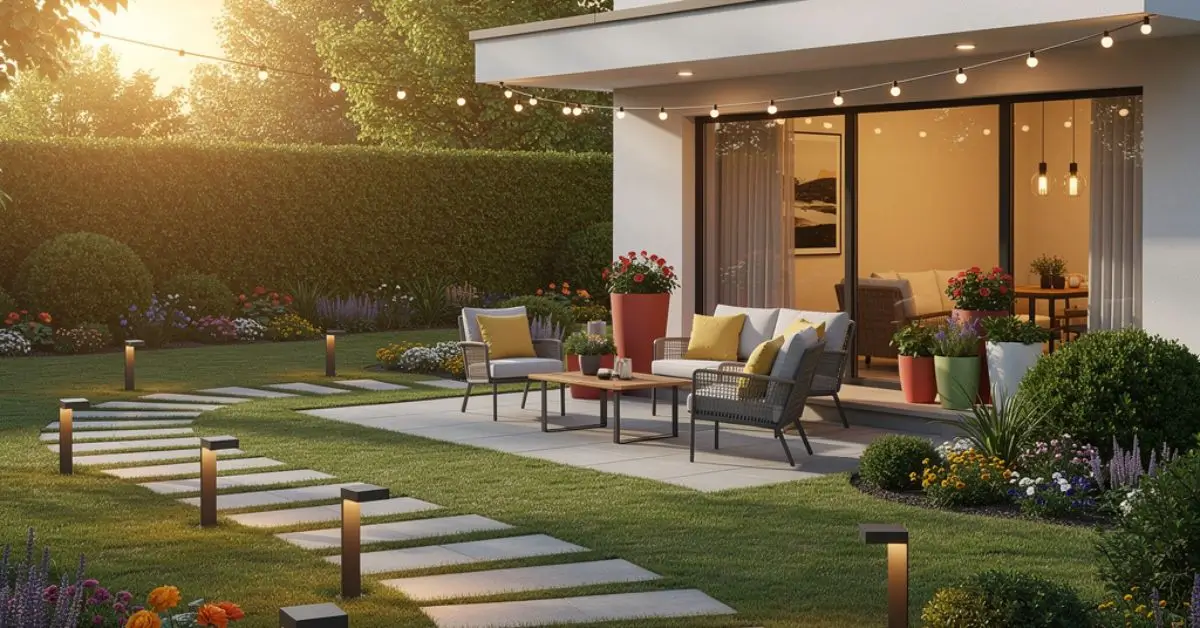
Why Most Yards Never Reach Their Potential
Drive through any American neighborhood and you will see the same pattern repeated on street after street. Perfectly decent homes with outdoor spaces that are either completely plain — just grass and maybe a concrete slab — or cluttered with a random mix of items that never quite come together as a cohesive space.
It is not that homeowners do not care about their yards. Most people genuinely want an outdoor space that looks inviting, functions well for how they actually live, and reflects some personality. The problem is that outdoor decoration feels overwhelming without a clear framework — there are too many options, too many directions to go, and no obvious starting point.
Interior decorating at least has walls, floors, and furniture as anchors. Outdoor spaces can feel like a blank canvas with no rules, which paradoxically makes them harder to approach rather than easier.
What most homeowners need is exactly what the decoration tips decoradyard approach provides — a practical, organized framework for making outdoor spaces look and feel genuinely good, starting with the highest-impact changes and building from there.
Decoration tips from DecorAdyard refer to a practical system of outdoor styling and yard decoration guidance focused on helping homeowners transform their exterior spaces — front yards, backyards, patios, porches, and gardens — using accessible techniques, smart material choices, purposeful plant selection, and budget-conscious decorating decisions. The approach prioritizes visual cohesion, seasonal adaptability, and functional design that works for real outdoor living rather than just looking good in photographs.
Quick Summary
This guide covers the most effective outdoor decoration tips inspired by the DecorAdyard approach — organized by outdoor space type, explained with real examples, and grounded in what actually works for average American homes across different budgets and yard sizes.
Why Outdoor Decoration Matters More Than Most People Realize
Your outdoor space is the first thing visitors see. It is the last thing you see when you leave for work and the first thing you see when you come home. That daily visual experience shapes how you feel about your home more consistently than most interior changes do.
Beyond personal enjoyment, outdoor decoration has measurable practical value. Curb appeal — the attractiveness of a home’s exterior — is one of the most consistently documented factors in real estate valuation. According to the National Association of Realtors, landscaping and exterior improvements routinely rank among the highest-return home improvement investments, with some studies suggesting curb appeal improvements can add 5% to 15% to a home’s perceived value.
But the case for outdoor decoration is not only financial. An outdoor space that is genuinely comfortable and visually appealing extends your living area. A well-decorated patio becomes a place where your family actually spends time. A welcoming front entrance changes how guests feel arriving at your home. These are quality-of-life improvements that interior decoration alone cannot deliver.
Front Yard Decoration — First Impressions Done Right
The front yard is your home’s introduction. Getting it right does not require expensive landscaping or elaborate garden design. It requires three things: clean lines, intentional plant choices, and a welcoming entrance.
Define the Pathway and Entrance
The path from the street to your front door should be clear, clean, and visually guided. If your home has a concrete walkway, keeping its edges clear of overgrown grass immediately sharpens the look. Adding low-growing border plants — ornamental grasses, lavender, or boxwood — along the pathway creates definition without requiring significant maintenance.
Pathway lighting is one of the highest-impact front yard decoration changes available. Solar-powered pathway lights cost $20 to $60 for a set, require no electrical work, and transform the front yard appearance at night. They also improve safety, which makes them a practical addition rather than purely decorative.
A front door that stands out — painted a confident color against a neutral exterior — anchors the entire front yard composition. A deep navy, terracotta, black, or forest green front door costs about $30 to $50 in paint and delivers significant curb appeal return for a weekend afternoon of work.
Potted Plants at the Entrance
Two matching planters flanking the front door is one of the oldest and most effective decoration techniques in residential design. The symmetry creates a formal, welcoming quality that signals care and intention.
The plants inside the planters should be scaled to the pot — tall enough to be visible from the street but not so large they overwhelm the entrance. Evergreen plants like boxwood topiary maintain their look year-round. Seasonal plantings — pansies in spring, geraniums in summer, ornamental kale in fall — keep the entrance looking fresh and relevant throughout the year.
A homeowner in Atlanta used two large terracotta planters with dwarf olive trees on either side of her front door. The result transformed a flat, forgettable entrance into a distinctive welcome that neighbors consistently commented on — at a total cost of under $150.
Lawn Care as Decoration
A well-maintained lawn is itself a decoration decision. Regular mowing at a consistent height, defined edges along walkways and garden beds, and clean transitions between lawn and planting areas create the visual order that makes everything else look better.
You do not need a perfect lawn. You need a cared-for one. Edging with a simple manual or electric edger costs $20 to $60 and takes one hour — but the crisp lines it creates against a pathway or garden bed make the entire front yard look significantly more intentional.
Backyard Decoration — Creating an Outdoor Living Space
The backyard is where outdoor decoration delivers the most quality-of-life return. A backyard that functions as an extension of your living space — comfortable, organized, and visually appealing — genuinely changes how you use your home.
Define Zones Before Decorating
The most common backyard decoration mistake is treating the entire space as one undifferentiated area. Professional outdoor designers always work with zones — a dining area, a lounge area, a play area, a garden space — each with a clear purpose and visual boundary.
Defining zones does not require construction. An outdoor rug under a seating arrangement creates a lounge zone. A defined area of gravel or pavers under an outdoor dining table creates a dining zone. Garden beds or low planters create natural boundaries between zones without walls or fences.
This zoning approach gives the backyard a sense of organization and intention that makes it feel designed rather than simply filled with furniture.
Outdoor Furniture as the Foundation
Outdoor furniture choices establish the style direction for the entire backyard. The most important quality consideration is weather resistance — furniture that looks beautiful in a showroom but deteriorates after one season is not worth the initial saving.
Materials that hold up well in most US climates include powder-coated aluminum, teak, resin wicker over aluminum frames, and quality recycled plastic lumber. Wrought iron is durable but heavy. Natural wicker deteriorates quickly outdoors and should be avoided for permanent outdoor use.
Choose furniture in a style that relates to your home’s architectural character. A craftsman-style home suits furniture with clean lines and natural materials. A traditional colonial-style home suits more formal symmetrical arrangements. A contemporary home suits minimal, low-profile outdoor furniture with simple forms.
String Lights for Evening Atmosphere
String lights are one of the single most impactful outdoor decoration additions available — and one of the most affordable. A set of outdoor Edison-style string lights strung between posts, a pergola, or the house and a garden post transforms a plain backyard into an inviting evening space.
The warm glow of outdoor string lights creates the kind of ambiance that makes people want to stay outside longer. They cost $20 to $50 for a quality set and last multiple seasons with proper storage during winter months.
This is one of those decoration changes that photographs beautifully but also genuinely improves daily life — the backyard becomes a place the family actually uses in the evenings rather than just a space that gets looked at through the kitchen window.
Patio and Porch Decoration
Patios and porches are transition spaces — between inside and outside, between public and private. Getting their decoration right makes them genuinely useful spaces rather than awkward in-between areas.
Layer Outdoor Textiles
Outdoor cushions, throw pillows, and rugs bring the same layering principle that works indoors to outdoor spaces. Weather-resistant outdoor fabrics — solution-dyed acrylic, polyester, and Sunbrella-type materials — maintain their color and resist moisture for multiple seasons.
Choose a cohesive color palette for patio textiles. Two or three coordinating colors — one dominant, one secondary, one accent — create a put-together look. Mixing too many patterns or colors in an outdoor space reads as cluttered rather than eclectic.
Outdoor rugs anchor a seating arrangement on a patio just as effectively as indoor rugs anchor living room furniture. They define the space, add visual warmth, and make the patio feel like a room rather than just a concrete slab with chairs.
Potted Plants for Vertical Interest
Patios and porches often lack the vertical dimension that makes outdoor spaces feel complete. Tall potted plants — bamboo, ornamental grasses, columnar shrubs — add height without requiring garden beds.
A collection of plants at different heights — a tall feature plant, mid-height flowering plants, and low trailing plants — creates the layered visual effect that makes a patio feel designed. Use matching pots for a cohesive look rather than a mismatched collection of containers in different materials and colors.
Seasonal Decoration — Keeping Your Yard Fresh Year-Round
One of the decoration tips decoradyard emphasizes is seasonal adaptability — the ability to update outdoor spaces with the seasons without starting from scratch each time.
The framework is simple: establish permanent structural elements — furniture, hardscaping, evergreen plants — and rotate seasonal elements around them.
In spring, add flowering annuals to planters and window boxes. In summer, introduce bright cushion covers and outdoor lanterns. In fall, incorporate pumpkins, ornamental grasses, and warm-toned mums. In winter, use evergreen boughs, berry branches, and simple lighting to maintain visual interest.
This approach keeps your outdoor space feeling current and cared-for throughout the year without requiring significant seasonal investment.
A Quick Reference: Outdoor Decoration by Impact and Cost
| Decoration Tip | Area | Cost Range | Visual Impact | DIY Friendly |
|---|---|---|---|---|
| Front door paint — bold color | Front yard | $30–$50 | Very High | Yes |
| Pathway solar lighting | Front yard | $20–$60 | High | Yes |
| Matching entrance planters | Front yard | $50–$150 | High | Yes |
| Lawn edging | Front yard | $0–$60 | High | Yes |
| String lights | Backyard/patio | $20–$50 | Very High | Yes |
| Outdoor area rug | Patio | $40–$150 | High | Yes |
| Outdoor cushions and pillows | Patio | $50–$150 | High | Yes |
| Zoned furniture arrangement | Backyard | $0 (rearrangement) | Very High | Yes |
| Potted plants — varied heights | Patio/porch | $30–$100 | High | Yes |
| Seasonal planter refresh | Entrance/patio | $20–$60 per season | Medium-High | Yes |
Common Outdoor Decoration Mistakes to Avoid
Even with good intentions, certain decoration decisions consistently undermine outdoor spaces.
Furniture that is too small for the space. Outdoor furniture scale matters just as much as indoor scale. A patio dining set for four people in a backyard that could comfortably seat eight looks lost. Scale your furniture to the actual available space.
Ignoring maintenance requirements. Beautiful plants that require more care than you are realistically going to provide will look neglected within one season. Choose plants matched to your actual maintenance commitment — not your aspirational one.
Decorating before addressing drainage. A beautifully decorated patio that floods after rain will be unusable for half the year. Address drainage issues before investing in surface decoration.
Buying outdoor furniture without checking weather ratings. Not all furniture labeled “outdoor” is genuinely weather-resistant. Check the materials and finish ratings before purchasing, particularly for items that will remain outdoors year-round in climates with significant rain, humidity, or temperature variation.
Conclusion
Your outdoor space is an extension of your home — and it deserves the same intentional attention that you give to your interior rooms. The decoration tips decoradyard approach gives homeowners a clear, practical framework for making that happen: start with the highest-impact changes, build from structural elements outward, maintain seasonal adaptability, and choose materials and plants that match your real maintenance commitment.
You do not need a large yard, a large budget, or professional landscaping help to create an outdoor space that genuinely looks and feels good. You need clear priorities, a few well-chosen elements, and the willingness to approach your outdoor space as a designed environment rather than an afterthought.
Start with one area — your front entrance, your patio, or your backyard seating zone — get it right, and let the momentum carry you forward from there.
If this guide gave you practical direction for your next outdoor decoration project, explore more yard styling guides and seasonal decoration ideas to keep building the outdoor space your home deserves.
Frequently Asked Questions
What are the best outdoor decoration tips for a small yard?
Use vertical planters, space-saving furniture, outdoor rugs, and string lights to create a stylish, functional space.
How can I improve my yard’s curb appeal on a budget?
Paint the front door, add clean lawn edging, place matching potted plants, and install solar pathway lights for an affordable upgrade.
What are the easiest outdoor plants to maintain?
Lavender, ornamental grasses, hostas, boxwood, sedum, and black-eyed Susans are low-maintenance choices for most gardens.
How can I decorate my patio cheaply?
Add an outdoor rug, string lights, and a few potted plants. Rearranging furniture also refreshes the space at no cost.
When is the best time to decorate a yard?
Spring is ideal for planting and landscaping, while fall is best for adding hardscaping and preparing for the next growing season.